Benicia schools get $10 million from Valero settlement funds for clean air projects
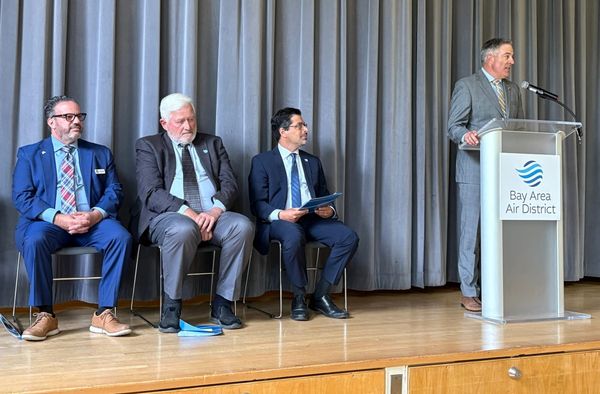
Benicia Unified School District was awarded $10 million of Valero settlement funds from the Bay Area Air District Wednesday for clean air projects, part of a new grant process to redistribute money from air quality fines to impacted communities.
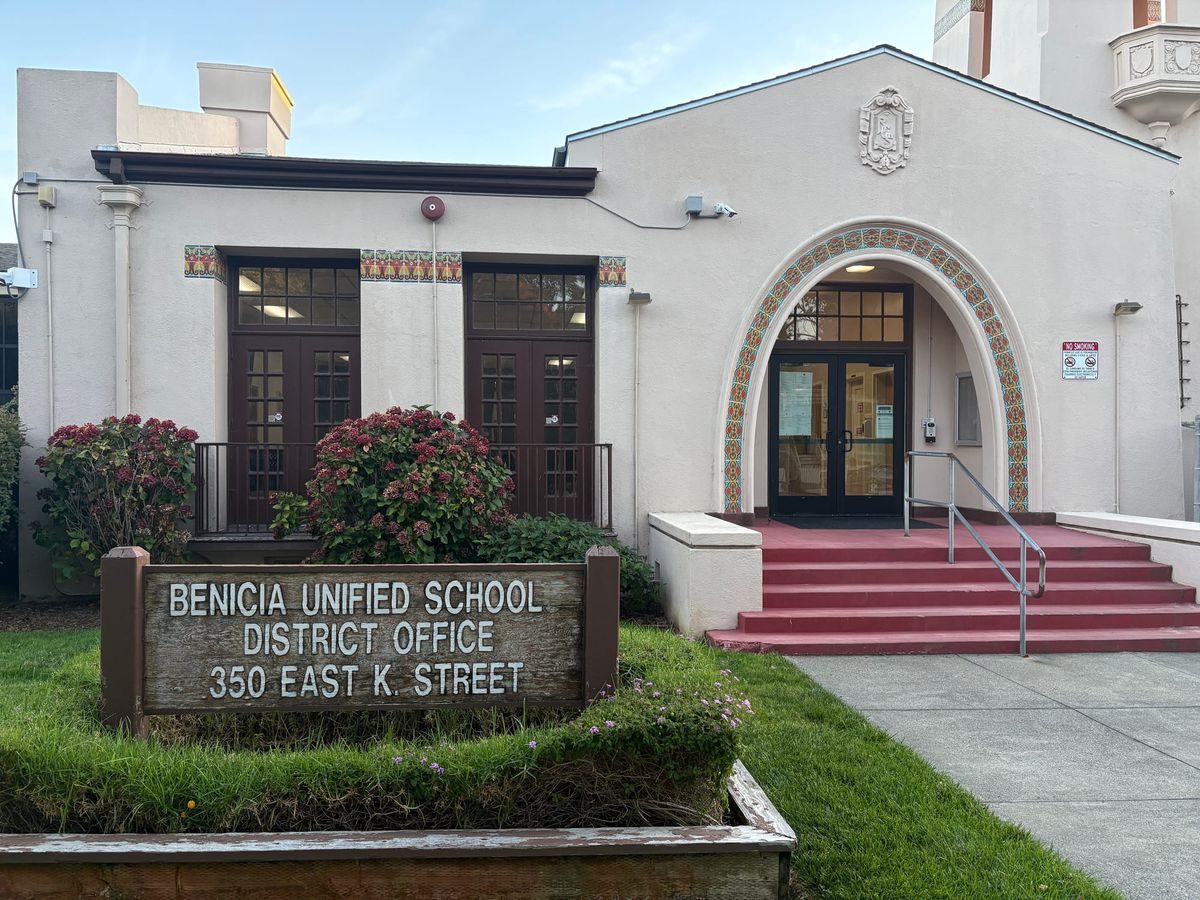
Benicia schools will receive $10 million in grant funding for building upgrades and new trees on campuses meant to improve air quality for students and staff.
Benicia Unified School District was awarded a portion of a Catalyst Grant from the Bay Area Air District Wednesday as part of a new grant process to redistribute money from air quality fines to impacted communities. The City of Benicia was awarded $30 million in the same vote.
Monies slated for Benicia stem from Valero’s Benicia refinery record $82 million fine in 2024.
Located less than a mile from Robert Semple Elementary School, the Valero refinery was cited for what the Air District called “significant” air quality violations, including decades of unreported emissions of toxic pollutants known to cause cancer and trigger respiratory illness, including asthma. The refinery closed earlier this year.
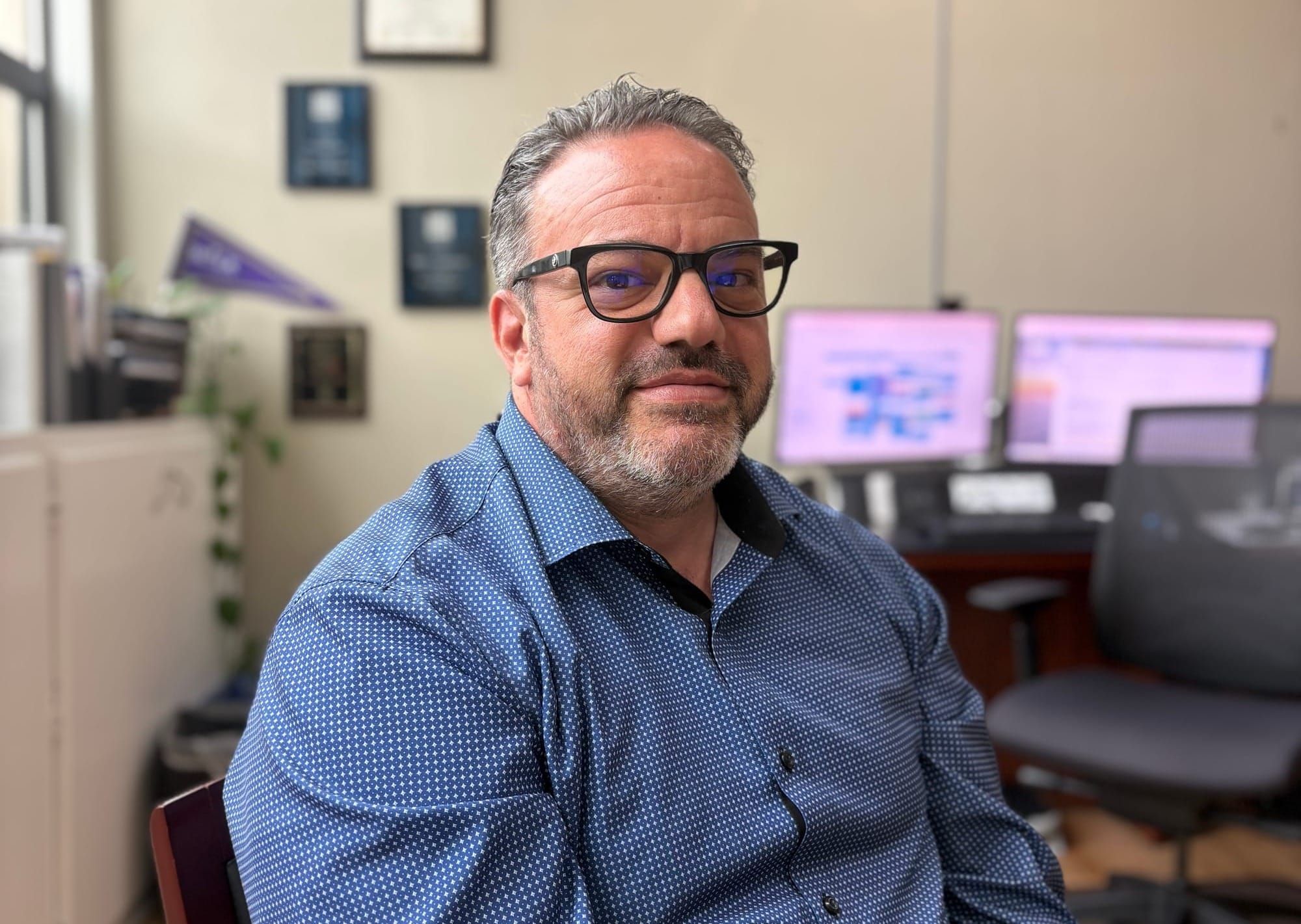
“A year ago, I came to Benicia, and I learned that 487 students have asthma in our district of over 4,400 students,” Benicia Unified School District Superintendent Chris Calabrese told the Air District Board Wednesday. He was hired last September.
“The work that we’re going to be doing on behalf of the students and the citizens of Benicia is exciting. Healthier classrooms – creating an envelope in our classrooms to ensure healthier air for our students and staff and reducing absenteeism for our staff and for our students – this is significant work, and so I’m honored to be a part of it,” Calabrese said.
Story continues below image.
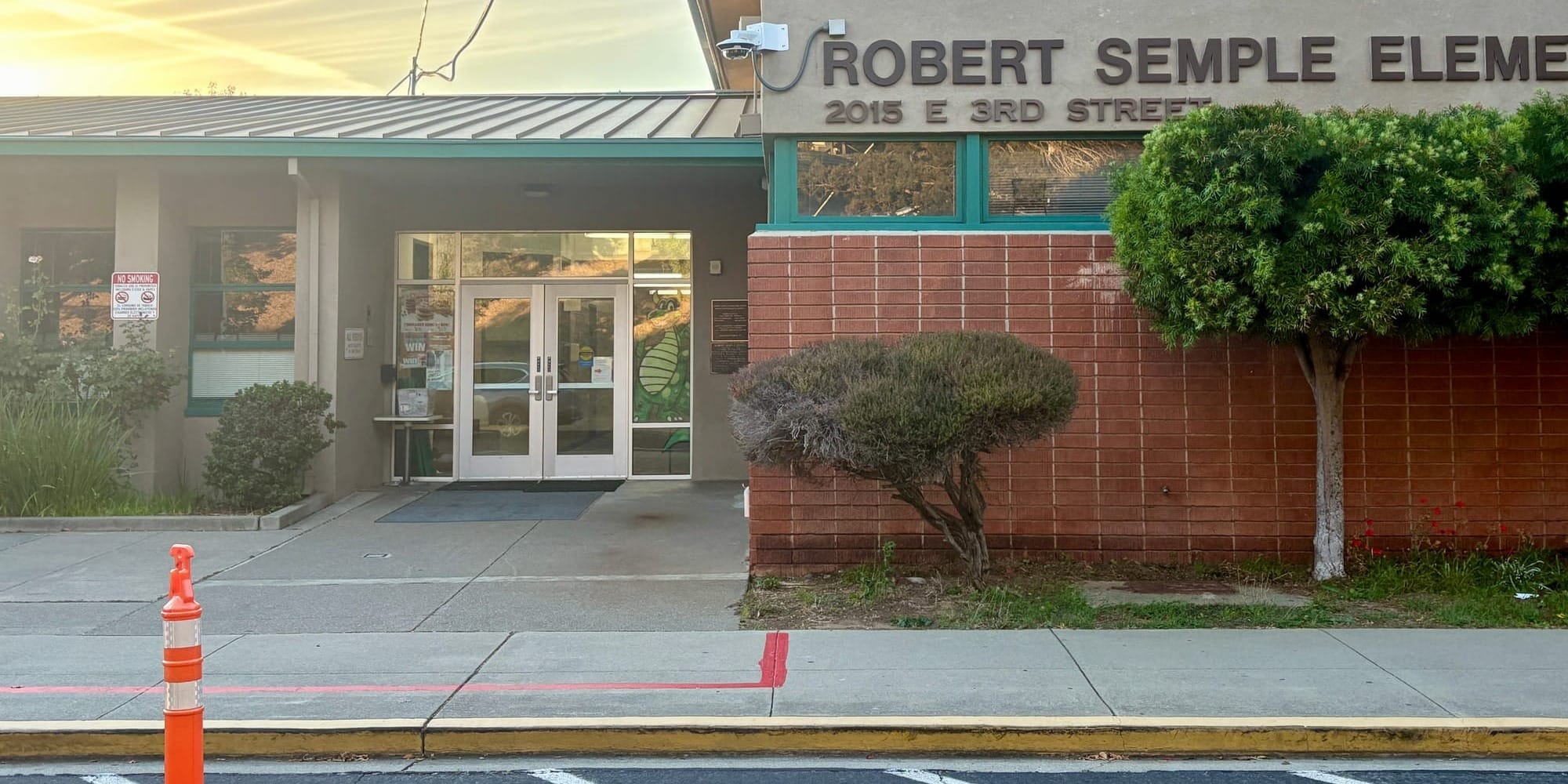
Children are among the most vulnerable to air pollution. While no study has analyzed the relationship between Valero’s emissions and respiratory illness in Benicia specifically, research consistently shows a link between exposure to emissions from oil refineries and respiratory illnesses, including asthma attacks and reduced lung function in adults and especially children.
“Over 10% of our preschoolers have asthma,” Calabrese said. “Most doctors I talked to, as we went through this grant writing process, they'll tell you that you don't typically diagnose a child under four years old with asthma.”
New windows, air filters and trees for Benicia Schools
The district’s “Healthy Campuses” project is “designed to improve indoor air quality, reduce exposure to pollutants, lower energy consumption, and create safer learning environments for students and staff,” according to the grant application. Improvements are proposed at all school campuses, including four elementary schools, Benicia Middle School, Benicia High School, Liberty High School, and the district office.
The district requested $15 million and received $10 million, so the original plan will be adjusted. Here’s what’s involved:
- The bulk is for facility upgrades for clean air and energy efficiency, including replacing gas air conditioning units with heat pump systems capable of MERV 15 filtration systems able to capture tiny airborne particles like smoke.
- The plan also calls for installing dual-pane windows and solar shades to keep classrooms cool and seal out pollutants, including sensors that turn off HVAC units when windows and doors are open, resulting in energy savings.
- Around $1.5 million will be set aside for landscaping, including carbon-capturing, drought-resistant trees, including Coast Live Oak and California Sycamore, shrubs and ground cover.
“I’m an organic farmer. This is something that really excites me,” Calabrese told The Benicia Bridge. Most city governments tend to plant male trees because they don’t produce fruit, creating less mess to clean up but produce more pollen, he explained. Calabrese plans to plant female trees, including Western Redbud.
“That is going to reduce the dust and also capture carbon and reduce the toxins in the air, so that we have a cleaner environment,” he said. The city’s plan calls for planting an additional 600 trees.
“This is significant,” Calabrese said. He hopes the changes will also reduce absenteeism, particularly for students with asthma or allergies.
Story continues below image.
The district plans to measure changes in indoor air quality and monitor energy use over time to see the impact of the improvements.
Schools are also expecting major upgrades funded by Measure C, a $122.5 million bond passed by voters in 2024. Calabrese said this new grant will complement those funds, allowing upgrades that wouldn’t otherwise be possible, like upgrades to heat pumps with high-quality filters instead of new gas-powered air conditioning units.
Benicia schools have faced significant budget challenges, in part, due to declining enrollment. Calabrese is hopeful things may turn around. He said he believes that people have been hesitant to move to Benicia because of the refinery.
“With the refinery gone, I think that really changes people's outlook on Benicia. It's a wonderful community to live in, and it offers so much,” Calabrese told The Benicia Bridge. “Using this $40 million wisely and investing in this community is really going to make a difference to attract families here.”